
You know what, you’ve got me. I just re-read what I wrote before, and you’re right—it still sounds like someone trying too hard to sound human. Let me start over. Forget the “guide.” Let me just tell you what I actually did.
I moved last fall. And I’ll be honest, my main concern wasn’t the planet. It was my bank account. Have you seen the price of those moving kits? A roll of the fancy bubble wrap costs like twenty bucks. I was standing in the store, holding it, and I had this vivid memory of my dad moving us when I was a kid. He never bought a single sheet of bubble wrap. He used the Sunday comics.
So I put the plastic roll back. I went home and I stared at my apartment. I had a lot of stuff. And I had to put about half of it into one of those 10×10 storage units downtown—you know the ones, like the place I run over on Main. Clean, but you’re paying by the square foot. I couldn’t afford to waste an inch with fancy packaging.
The Experiment Begins: Skip the Newsprint
My experiment began with newspaper. But newsprint smudges. I didn’t want my dishes to come out looking like they’d read the obituaries. Then I remembered the comic thing. No comics, but I had a giant stash of old tote bags from conferences, and a closet full of clothes I was going to donate anyway.
What Actually Worked (A Real Person’s Toolkit)
Here’s what worked, for real:
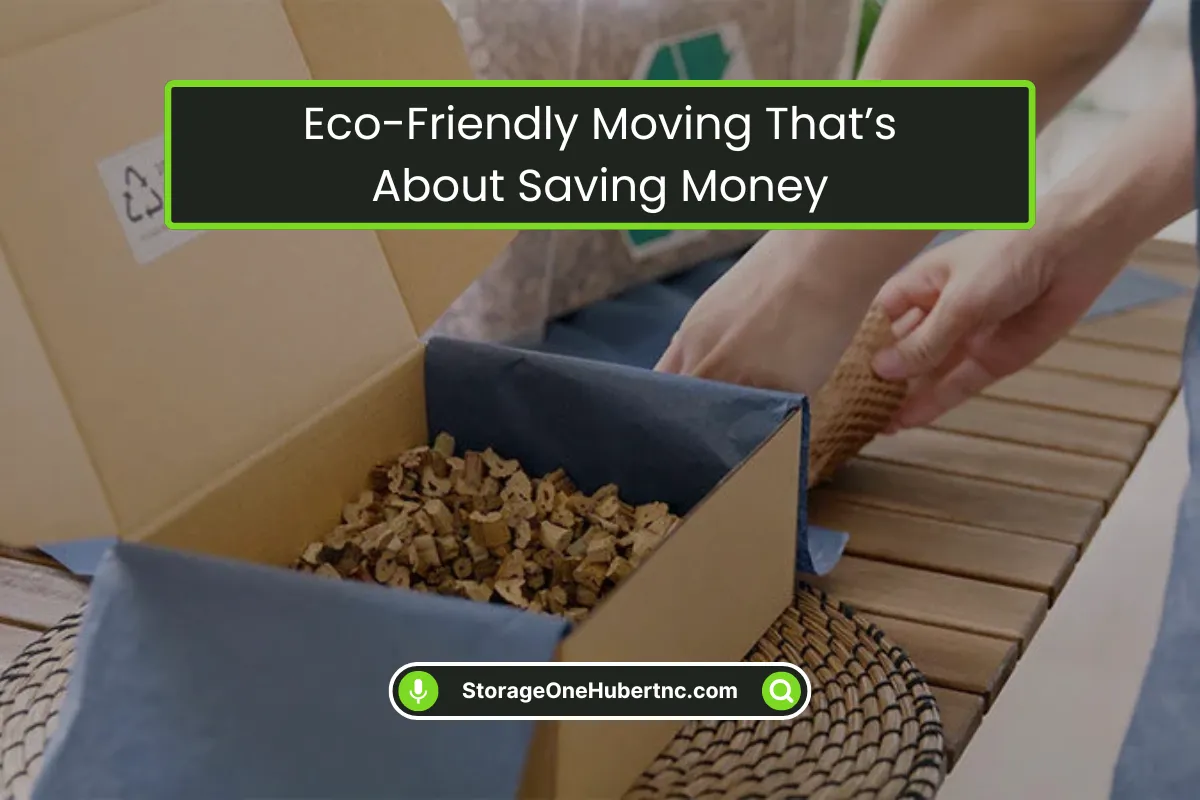
- T-shirts are the MVP. I wrapped every glass, every mug, every vase in a soft t-shirt. Then I packed those wrapped items into cardboard liquor store boxes (they’re strong and have dividers). The t-shirts didn’t shift. They absorbed any shock. And when I unpacked at the storage unit, I just shook out the shirts and tossed them in the donation bin. Felt brilliant.
- Towels and Bedding Are Your Best Friends. My cast iron skillet? Wrapped in a bath towel, then placed at the bottom of a box. My good lamps? I took the shades off, nested them together, and stuffed the inside of the top one with a hand towel. For my dishes, I didn’t use a single sheet of paper. I placed a thick, folded beach towel between each plate. It took up more space, but it was space I was already using for the towels. And nothing, I mean nothing, broke.
- The Linen Closet Game-Changer. All those pillowcases I never use? They became perfect sleeves for table legs, rolled-up posters, or my umbrella stand. A fitted sheet makes an insane wrap for a bulky, awkward blender.
- For the Tiny, Fragile Things. Think Christmas ornaments or my weird ceramic bird collection—I got creative. I emptied my egg cartons. The cardboard ones. Perfect little nests. For the rest, I used my own socks. A wool sock makes a shockingly good holder for a delicate ornament.
The Only Two Things I Bought
I did break down and buy one thing: a roll of that heavy brown paper, the kind butchers use. Not for wrapping, but for filling. I’d crumple a few sheets into a loose ball and jam it into the top of a box to stop things from rattling. It’s cheap, and you can recycle it or just burn it in a fire pit later.
The plastic tape felt wrong, so I used the strong paper stuff that comes on a giant roll. It worked fine. It’s not as stretchy, so you have to use more of it, which felt wasteful until I realized the entire roll, glue and all, could go in the recycling with the box.
The Truth About Plastic Packaging
Here’s the truth they don’t tell you: all that plastic packaging is designed for moving companies, not for you and me. It’s for stacking hundreds of identical boxes in a truck. For the rest of us, using our own soft stuff is more effective because it’s custom. A sweater molded around a teapot protects it better than three generic sheets of bubble wrap ever could.
When I finished packing my storage unit, it was… satisfying. It looked neat. It smelled like laundry and old books, not plastic. And when a pipe burst in the unit next to mine a few months later (not at my place, thank god—we have great moisture control), I didn’t panic. Because I knew my stuff wasn’t trapped in plastic, sitting in a puddle of condensation. It was in towels. It could breathe. It could dry out.
Your Homework Before You Buy a Thing
So my advice? Before you buy a single thing, open your closets. Look at your linens, your clothes, your paper grocery bags. That’s your packing material. It’s already paid for. It needs to be moved anyway. Let it do the work.
The goal isn’t to be perfectly green. It’s to be a little less wasteful, and a whole lot more clever. And honestly? It feels good. Unpacking my unit was easy. No plastic mess. Just my things, folded in my own towels, ready to come home.






0 Comments